Paul Graham:品味是设计者的核心能力
Paul Graham 在本文中挑战了“品味纯属主观”的流行观点,认为品味是设计者不可或缺的素养。他通过数学、工程、建筑、绘画等多个领域的案例,归纳出好设计的共同原则:简洁、永恒、解决对的问题、富有暗示性、略带幽默、需要付出艰苦努力、看似轻松、运用对称、模仿自然、允许重做与抄袭、有时显得怪异、集群出现、以及敢于挑战常规。他强调,真正的品味并非天生,而是通过不断审视自己和他人的作品、培养对丑陋的不容忍而逐步提升。本文适合所有从事创造性工作的工程师、设计师和开发者阅读,帮助他们理解好设计背后的普适逻辑。

February 2002
"...Copernicus' aesthetic objections to [equants] provided one essential motive for his rejection of the Ptolemaic system...."- Thomas Kuhn, The Copernican Revolution
"All of us had been trained by Kelly Johnson and believed fanatically in his insistence that an airplane that looked beautiful would fly the same way."
- Ben Rich, Skunk Works
"Beauty is the first test: there is no permanent place in this world for ugly mathematics."
- G. H. Hardy, A Mathematician's Apology
2002年2月
“……哥白尼对[本轮]的美学反对,是他拒绝托勒密体系的一个核心动机……”——托马斯·库恩,《哥白尼革命》
“我们所有人都接受过凯利·约翰逊的训练,并狂热地相信他的主张:一架看起来漂亮的飞机,飞起来也会同样漂亮。”
——本·里奇,《臭鼬工厂》
“美是第一道考验:丑陋的数学在这个世界上没有永久的位置。”
——G. H. 哈代,《一个数学家的辩白》
I was talking recently to a friend who teaches at MIT. His field is hot now and every year he is inundated by applications from would-be graduate students. "A lot of them seem smart," he said. "What I can't tell is whether they have any kind of taste."
Taste. You don't hear that word much now. And yet we still need the underlying concept, whatever we call it. What my friend meant was that he wanted students who were not just good technicians, but who could use their technical knowledge to design beautiful things.
最近我和一位在麻省理工学院任教的朋友聊天。他的领域现在很热门,每年都会收到大量准研究生的申请。“很多人看起来很聪明,”他说,“但我无法判断他们是否有任何品味。”
品味。这个词现在不常听到了。然而我们仍然需要这个底层概念,无论我们怎么称呼它。我朋友的意思是,他希望学生不仅仅是优秀的技术人员,还能用技术知识去设计美的东西。
Mathematicians call good work "beautiful," and so, either now or in the past, have scientists, engineers, musicians, architects, designers, writers, and painters. Is it just a coincidence that they used the same word, or is there some overlap in what they meant? If there is an overlap, can we use one field's discoveries about beauty to help us in another?
For those of us who design things, these are not just theoretical questions. If there is such a thing as beauty, we need to be able to recognize it. We need good taste to make good things. Instead of treating beauty as an airy abstraction, to be either blathered about or avoided depending on how one feels about airy abstractions, let's try considering it as a practical question: how do you make good stuff?
数学家称优秀的工作为“美”,科学家、工程师、音乐家、建筑师、设计师、作家和画家,无论现在还是过去,也都如此。他们使用同一个词是巧合,还是其含义有重叠?如果有重叠,我们能否用一个领域关于美的发现来帮助另一个领域?
对于设计东西的我们来说,这些不仅仅是理论问题。如果美是真实存在的,我们就需要能够识别它。我们需要好的品味来做出好东西。不要把美当作一个空洞的抽象概念,要么滔滔不绝要么避而不谈(取决于人们对空洞抽象的感受),让我们把它当作一个实际问题来思考:如何做出好东西?
If you mention taste nowadays, a lot of people will tell you that "taste is subjective." They believe this because it really feels that way to them. When they like something, they have no idea why. It could be because it's beautiful, or because their mother had one, or because they saw a movie star with one in a magazine, or because they know it's expensive. Their thoughts are a tangle of unexamined impulses.
Most of us are encouraged, as children, to leave this tangle unexamined. If you make fun of your little brother for coloring people green in his coloring book, your mother is likely to tell you something like "you like to do it your way and he likes to do it his way."
Your mother at this point is not trying to teach you important truths about aesthetics. She's trying to get the two of you to stop bickering.
Like many of the half-truths adults tell us, this one contradicts other things they tell us. After dinning into you that taste is merely a matter of personal preference, they take you to the museum and tell you that you should pay attention because Leonardo is a great artist.
What goes through the kid's head at this point? What does he think "great artist" means? After having been told for years that everyone just likes to do things their own way, he is unlikely to head straight for the conclusion that a great artist is someone whose work is better than the others'. A far more likely theory, in his Ptolemaic model of the universe, is that a great artist is something that's good for you, like broccoli, because someone said so in a book.
如今,如果你提到品味,很多人会告诉你“品味是主观的”。他们相信这一点,因为对他们来说确实感觉如此。当他们喜欢某样东西时,他们不知道为什么。可能是因为它美,也可能是因为母亲有一个,或者他们在杂志上看到明星用过,又或者因为他们知道它很贵。他们的想法是一团未经审视的冲动。
我们大多数人从小就被鼓励不去审视这团乱麻。如果你嘲笑弟弟在涂色书里把人涂成绿色,你妈妈可能会说:“你喜欢你的方式,他喜欢他的方式。”
你妈妈此刻并不是在教给你关于美学的重要真理。她只是想让你们俩停止争吵。
就像成年人告诉我们的许多半真半假的话一样,这句话也和他们说的其他话相矛盾。在给你灌输品味仅仅是个人偏好之后,他们带你去博物馆,告诉你应该注意看,因为达芬奇是伟大的艺术家。
此时孩子心里在想什么?他认为“伟大的艺术家”是什么意思?在多年被告知每个人都喜欢按自己的方式做事之后,他不太可能直接得出“伟大的艺术家就是作品比别人更好的人”这样的结论。在他的托勒密宇宙模型中,更可能的理论是:伟大的艺术家就像西兰花一样对你有益,只是因为书里有人这么说。
Saying that taste is just personal preference is a good way to prevent disputes. The trouble is, it's not true. You feel this when you start to design things.
Whatever job people do, they naturally want to do better. Football players like to win games. CEOs like to increase earnings. It's a matter of pride, and a real pleasure, to get better at your job. But if your job is to design things, and there is no such thing as beauty, then there is no way to get better at your job. If taste is just personal preference, then everyone's is already perfect: you like whatever you like, and that's it.
As in any job, as you continue to design things, you'll get better at it. Your tastes will change. And, like anyone who gets better at their job, you'll know you're getting better. If so, your old tastes were not merely different, but worse. Poof goes the axiom that taste can't be wrong.
说品味只是个人偏好是避免争论的好方法。问题是,这不是真的。当你开始设计东西时,你会感受到这一点。
无论人们做什么工作,他们自然想做得更好。足球运动员想赢得比赛,CEO想增加利润。把工作干得更出色,是一种骄傲,也是一种真正的快乐。但如果你工作是设计东西,而美根本不存在,那么你就无法在工作中进步。如果品味只是个人偏好,那么每个人的品味已经完美:你喜欢什么就是什么,仅此而已。
和任何工作一样,随着你不断设计东西,你会越来越擅长。你的品味会改变。而且,和任何在工作中进步的人一样,你会知道自己正在变好。如果是这样,你过去的品味就不仅仅是不同,而是更差。那么“品味不会错”的公理就烟消云散了。
Relativism is fashionable at the moment, and that may hamper you from thinking about taste, even as yours grows. But if you come out of the closet and admit, at least to yourself, that there is such a thing as good and bad design, then you can start to study good design in detail. How has your taste changed? When you made mistakes, what caused you to make them? What have other people learned about design?
Once you start to examine the question, it's surprising how much different fields' ideas of beauty have in common. The same principles of good design crop up again and again.
相对主义当今很流行,这可能会阻碍你去思考品味,即使你的品味在成长。但如果你走出壁橱,至少对自己承认,确实存在好设计和坏设计,那么你就可以开始仔细研究好设计。你的品味是如何变化的?当你犯错时,是什么导致了这些错误?其他人在设计中学到了什么?
一旦你开始审视这个问题,你会惊讶地发现不同领域对美的看法有如此多的共同之处。好设计的相同原则反复出现。
Good design is simple. You hear this from math to painting. In math it means that a shorter proof tends to be a better one. Where axioms are concerned, especially, less is more. It means much the same thing in programming. For architects and designers it means that beauty should depend on a few carefully chosen structural elements rather than a profusion of superficial ornament. (Ornament is not in itself bad, only when it's camouflage on insipid form.) Similarly, in painting, a still life of a few carefully observed and solidly modelled objects will tend to be more interesting than a stretch of flashy but mindlessly repetitive painting of, say, a lace collar. In writing it means: say what you mean and say it briefly.
It seems strange to have to emphasize simplicity. You'd think simple would be the default. Ornate is more work. But something seems to come over people when they try to be creative. Beginning writers adopt a pompous tone that doesn't sound anything like the way they speak. Designers trying to be artistic resort to swooshes and curlicues. Painters discover that they're expressionists. It's all evasion. Underneath the long words or the "expressive" brush strokes, there is not much going on, and that's frightening.
When you're forced to be simple, you're forced to face the real problem. When you can't deliver ornament, you have to deliver substance.
好设计是简单的。从数学到绘画,你都能听到这种说法。在数学中,这意味着较短的证明往往是更好的证明。尤其在公理方面,少即是多。在编程中也是如此。对建筑师和设计师来说,这意味着美应该依赖于少数精心挑选的结构元素,而不是大量肤浅的装饰。(装饰本身并不坏,只有当它作为平庸形式的伪装时才坏。)同样,在绘画中,一幅观察细致、造型扎实的静物画,往往比一片花哨但无脑重复的绘画(比如蕾丝领)更有趣。在写作中,它意味着:想说什么就直说,简洁地说。
要强调简洁似乎很奇怪。你会认为简洁是默认的。华丽反而更费事。但人们在尝试创造时似乎会发生什么。初学写作者会采用一种浮夸的语气,与他们说话的方式完全不同。设计师想显得有艺术感,就求助于曲线和旋涡。画家发现自己成了表现主义者。这一切都是逃避。在长词或“表现性”笔触之下,其实没什么内容,这很可怕。
当你被迫简洁时,你就被迫面对真正的问题。当你无法提供装饰时,你必须提供实质。
Good design is timeless. In math, every proof is timeless unless it contains a mistake. So what does Hardy mean when he says there is no permanent place for ugly mathematics? He means the same thing Kelly Johnson did: if something is ugly, it can't be the best solution. There must be a better one, and eventually someone will discover it.
Aiming at timelessness is a way to make yourself find the best answer: if you can imagine someone surpassing you, you should do it yourself. Some of the greatest masters did this so well that they left little room for those who came after. Every engraver since Durer has had to live in his shadow.
Aiming at timelessness is also a way to evade the grip of fashion. Fashions almost by definition change with time, so if you can make something that will still look good far into the future, then its appeal must derive more from merit and less from fashion.
Strangely enough, if you want to make something that will appeal to future generations, one way to do it is to try to appeal to past generations. It's hard to guess what the future will be like, but we can be sure it will be like the past in caring nothing for present fashions. So if you can make something that appeals to people today and would also have appealed to people in 1500, there is a good chance it will appeal to people in 2500.
好设计是永恒的。在数学中,每个证明都是永恒的,除非包含错误。那么哈代说丑陋的数学没有永久的位置是什么意思?他和凯利·约翰逊的意思相同:如果某样东西是丑陋的,它就不可能是最佳解决方案。一定还有更好的,并且最终有人会找到它。
追求永恒是一种让自己找到最佳答案的方式:如果你能想象有人会超越你,那你就应该自己去做。一些最伟大的大师在这方面做得如此之好,以至于留给后来者的空间很小。丢勒之后的每一位版画家都不得不活在他的阴影下。
追求永恒也是摆脱时尚束缚的一种方式。时尚几乎定义上就是随时间变化的,所以如果你能做出在未来仍然好看的东西,那么它的吸引力必然更多地来自内在价值,而非时尚。
奇怪的是,如果你想让某样东西吸引后世,一个方法就是尝试吸引过去的人们。很难猜测未来会是什么样,但我们可以肯定,未来和过去一样,对现在的时尚漠不关心。因此,如果你能做出既吸引今天的人,也能吸引1500年的人的东西,那么它很有可能会吸引2500年的人。
Good design solves the right problem. The typical stove has four burners arranged in a square, and a dial to control each. How do you arrange the dials? The simplest answer is to put them in a row. But this is a simple answer to the wrong question. The dials are for humans to use, and if you put them in a row, the unlucky human will have to stop and think each time about which dial matches which burner. Better to arrange the dials in a square like the burners.
A lot of bad design is industrious, but misguided. In the mid twentieth century there was a vogue for setting text in sans-serif fonts. These fonts are closer to the pure, underlying letterforms. But in text that's not the problem you're trying to solve. For legibility it's more important that letters be easy to tell apart. It may look Victorian, but a Times Roman lowercase g is easy to tell from a lowercase y.
Problems can be improved as well as solutions. In software, an intractable problem can usually be replaced by an equivalent one that's easy to solve. Physics progressed faster as the problem became predicting observable behavior, instead of reconciling it with scripture.
好设计解决正确的问题。典型的炉灶有四个呈方形排列的灶眼,每个灶眼有一个旋钮。如何布置旋钮?最简单的答案是排成一排。但这是对错误问题的简单回答。旋钮是给人用的,如果排成一排,倒霉的用户每次都得停下来思考哪个旋钮对应哪个灶眼。更好的做法是将旋钮像灶眼一样排成方形。
很多糟糕的设计很勤奋,但方向错误。20世纪中期流行用无衬线字体排版。这些字体更接近纯粹的底层字母形状。但在文本中,那并不是你要解决的问题。对于易读性而言,字母容易区分更为重要。虽然可能看起来维多利亚风,但Times Roman的小写g很容易和小写y区分。
问题本身也可以改进,而不仅仅是解决方案。在软件中,一个棘手的问题通常可以用一个等价的、容易解决的问题来替代。当物理学的目标变为预测可观察的行为,而不是调和它与经典时,物理学进步得更快。
Good design is suggestive. Jane Austen's novels contain almost no description; instead of telling you how everything looks, she tells her story so well that you envision the scene for yourself. Likewise, a painting that suggests is usually more engaging than one that tells. Everyone makes up their own story about the Mona Lisa.
In architecture and design, this principle means that a building or object should let you use it how you want: a good building, for example, will serve as a backdrop for whatever life people want to lead in it, instead of making them live as if they were executing a program written by the architect.
In software, it means you should give users a few basic elements that they can combine as they wish, like Lego. In math it means a proof that becomes the basis for a lot of new work is preferable to a proof that was difficult, but doesn't lead to future discoveries; in the sciences generally, citation is considered a rough indicator of merit.
好设计是启发性的。简·奥斯汀的小说几乎没有描写;她没有告诉你每样东西看起来如何,而是通过出色的叙事让你自己想象场景。同样,一幅暗示性的画通常比一幅直白的画更吸引人。每个人对蒙娜丽莎都有自己的故事。
在建筑和设计中,这一原则意味着建筑或物品应该让你按自己的方式使用:例如,一栋好建筑将作为人们想要在其中展开的任何生活的背景,而不是让他们像执行建筑师编写的程序一样生活。
在软件中,这意味着你应该给用户一些基本的元素,让他们可以像乐高一样自由组合。在数学中,能够成为大量新工作基础的证明比虽然困难但不能带来未来发现的证明更可取;在科学中,引用通常被视为价值的粗略指标。
Good design is often slightly funny. This one may not always be true. But Durer's engravings and Saarinen's womb chair and the Pantheon and the original Porsche 911 all seem to me slightly funny. Godel's incompleteness theorem seems like a practical joke.
I think it's because humor is related to strength. To have a sense of humor is to be strong: to keep one's sense of humor is to shrug off misfortunes, and to lose one's sense of humor is to be wounded by them. And so the mark-- or at least the prerogative-- of strength is not to take oneself too seriously. The confident will often, like swallows, seem to be making fun of the whole process slightly, as Hitchcock does in his films or Bruegel in his paintings-- or Shakespeare, for that matter.
Good design may not have to be funny, but it's hard to imagine something that could be called humorless also being good design.
好设计往往有点幽默。这一点可能并不总是成立。但丢勒的版画、沙里宁的子宫椅、万神殿和最初的保时捷911,在我看来都有一点幽默。哥德尔的不完备定理就像是一个恶作剧。
我认为这是因为幽默与力量相关。有幽默感就是强大:保持幽默感意味着对不幸一笑置之,失去幽默感则意味着被不幸伤害。因此,力量的标志——或者说特权——就是不过于严肃对待自己。自信的人常常像燕子一样,似乎对整个过程略带嘲讽,就像希区柯克在他的电影里、勃鲁盖尔在他的画中,或者莎士比亚那样。
好设计不一定非得幽默,但很难想象一种被称为缺乏幽默感的东西会是好设计。
Good design is hard. If you look at the people who've done great work, one thing they all seem to have in common is that they worked very hard. If you're not working hard, you're probably wasting your time.
Hard problems call for great efforts. In math, difficult proofs require ingenious solutions, and those tend to be interesting. Ditto in engineering.
When you have to climb a mountain you toss everything unnecessary out of your pack. And so an architect who has to build on a difficult site, or a small budget, will find that he is forced to produce an elegant design. Fashions and flourishes get knocked aside by the difficult business of solving the problem at all.
Not every kind of hard is good. There is good pain and bad pain. You want the kind of pain you get from going running, not the kind you get from stepping on a nail. A difficult problem could be good for a designer, but a fickle client or unreliable materials would not be.
In art, the highest place has traditionally been given to paintings of people. There is something to this tradition, and not just because pictures of faces get to press buttons in our brains that other pictures don't. We are so good at looking at faces that we force anyone who draws them to work hard to satisfy us. If you draw a tree and you change the angle of a branch five degrees, no one will know. When you change the angle of someone's eye five degrees, people notice.
When Bauhaus designers adopted Sullivan's "form follows function," what they meant was, form should follow function. And if function is hard enough, form is forced to follow it, because there is no effort to spare for error. Wild animals are beautiful because they have hard lives.
好设计是困难的。如果你看看那些做出伟大工作的人,他们似乎都有一个共同点:非常努力。如果你不努力,你很可能是在浪费时间。
难题需要巨大的努力。在数学中,困难的证明需要巧妙的解法,而这些解法往往有趣。工程学也是如此。
当你必须爬山时,你会扔掉背包里一切不必要的东西。因此,一个不得不在棘手场地或有限预算下建造的建筑师,会发现自己被迫做出优雅的设计。时尚和点缀在解决根本问题的艰巨任务中被抛到一边。
并非所有困难都是好的。有好的痛苦和坏的痛苦。你想要的是跑步带来的那种痛苦,而不是踩到钉子。一个困难的问题对设计师可能有益,但一个善变的客户或不可靠的材料则不然。
在艺术中,最高地位传统上一直给予人物画。这一传统有其道理,不仅仅是因为脸部图像按下大脑中其他图像不能按下的按钮。我们如此擅长观察人脸,以至于我们迫使任何画人脸的人努力满足我们。如果你画一棵树,把一根树枝的角度改变五度,没人会知道。但如果你把某人眼睛的角度改变五度,人们就会注意到。
当包豪斯的设计师采用沙利文的“形式服从功能”时,他们的意思是形式应该服从功能。如果功能足够困难,形式就不得不服从,因为没有多余的力气出差错。野生动物很美,因为它们过着艰苦的生活。
Good design looks easy. Like great athletes, great designers make it look easy. Mostly this is an illusion. The easy, conversational tone of good writing comes only on the eighth rewrite.
In science and engineering, some of the greatest discoveries seem so simple that you say to yourself, I could have thought of that. The discoverer is entitled to reply, why didn't you?
Some Leonardo heads are just a few lines. You look at them and you think, all you have to do is get eight or ten lines in the right place and you've made this beautiful portrait. Well, yes, but you have to get them in exactly the right place. The slightest error will make the whole thing collapse.
Line drawings are in fact the most difficult visual medium, because they demand near perfection. In math terms, they are a closed-form solution; lesser artists literally solve the same problems by successive approximation. One of the reasons kids give up drawing at ten or so is that they decide to start drawing like grownups, and one of the first things they try is a line drawing of a face. Smack!
In most fields the appearance of ease seems to come with practice. Perhaps what practice does is train your unconscious mind to handle tasks that used to require conscious thought. In some cases you literally train your body. An expert pianist can play notes faster than the brain can send signals to his hand. Likewise an artist, after a while, can make visual perception flow in through his eye and out through his hand as automatically as someone tapping his foot to a beat.
When people talk about being in "the zone," I think what they mean is that the spinal cord has the situation under control. Your spinal cord is less hesitant, and it frees conscious thought for the hard problems.
好设计看起来容易。像伟大的运动员一样,伟大的设计师让它看起来毫不费力。但这大多是错觉。好文章中轻松随意的语气,往往要到第八次修改才出现。
在科学和工程中,一些最伟大的发现看起来如此简单,以至于你会对自己说:“我本来也能想到。”发现者有权回答:“你为什么没想到呢?”
达芬奇的一些头像只是寥寥几笔。你看着它们,心想:你只需要把八到十根线条放在正确的位置,就能画出这个美丽的肖像。嗯,是的,但你必须把它们放在完全正确的位置。最微小的错误都会让整幅画崩溃。
线描实际上是最难的视觉媒介,因为它们要求近乎完美。用数学术语来说,它们是封闭形式的解;较差的艺术家实际上是通过逐次逼近来解决同样的问题。孩子们在十岁左右放弃绘画的原因之一,是他们决定要像大人一样画画,而他们尝试的第一件事就是画一张脸的线条画。碰壁!
在大多数领域,轻松的外表似乎来自练习。也许练习的作用是训练你的潜意识去处理以前需要意识思考的任务。在某些情况下,你实际上是在训练你的身体。一个熟练的钢琴家弹奏音符的速度可以比大脑向手发送信号的速度还快。同样,艺术家在一段时间后,可以让视觉感知通过眼睛流入、通过手流出,就像有人随着节拍拍脚一样自动化。
当人们谈论进入“心流”状态时,我认为他们是指脊髓已经掌控了局面。你的脊髓不那么犹豫,它将有意识的思维解放出来去处理难题。
Good design uses symmetry. I think symmetry may just be one way to achieve simplicity, but it's important enough to be mentioned on its own. Nature uses it a lot, which is a good sign.
There are two kinds of symmetry, repetition and recursion. Recursion means repetition in subelements, like the pattern of veins in a leaf.
Symmetry is unfashionable in some fields now, in reaction to excesses in the past. Architects started consciously making buildings asymmetric in Victorian times and by the 1920s asymmetry was an explicit premise of modernist architecture. Even these buildings only tended to be asymmetric about major axes, though; there were hundreds of minor symmetries.
In writing you find symmetry at every level, from the phrases in a sentence to the plot of a novel. You find the same in music and art. Mosaics (and some Cezannes) get extra visual punch by making the whole picture out of the same atoms. Compositional symmetry yields some of the most memorable paintings, especially when two halves react to one another, as in the Creation of Adam or American Gothic.
In math and engineering, recursion, especially, is a big win. Inductive proofs are wonderfully short. In software, a problem that can be solved by recursion is nearly always best solved that way. The Eiffel Tower looks striking partly because it is a recursive solution, a tower on a tower.
The danger of symmetry, and repetition especially, is that it can be used as a substitute for thought.
好设计运用对称。我认为对称可能只是实现简洁的一种方式,但它很重要,值得单独提出来。大自然大量使用对称,这是一个好迹象。
对称有两种:重复和递归。递归是指子元素中的重复,比如叶子上的叶脉图案。
对称在某些领域现在不流行了,这是对过去过度的反应。建筑师在维多利亚时代开始有意识地让建筑不对称,到20世纪20年代,不对称已成为现代主义建筑的明确前提。不过,即使这些建筑也只是在主要轴线上不对称;有数百处细微的对称。
在写作中,从句子中的短语到小说的情节,你在每一个层面都能找到对称。在音乐和艺术中也是如此。马赛克(以及一些塞尚的作品)通过用相同的原子组成整个画面获得了额外的视觉冲击力。构图的对称产生了一些最令人难忘的画作,尤其是当两半相互呼应时,比如《创造亚当》或《美国哥特式》。
在数学和工程中,尤其是递归,是一个巨大的优势。归纳证明非常简短。在软件中,能用递归解决的问题几乎总是最好用递归解决。埃菲尔铁塔引人注目,部分原因在于它是一个递归的解决方案:塔上有塔。
对称的危险,尤其是重复,在于它可能被用作思考的替代品。
Good design resembles nature. It's not so much that resembling nature is intrinsically good as that nature has had a long time to work on the problem. It's a good sign when your answer resembles nature's.
It's not cheating to copy. Few would deny that a story should be like life. Working from life is a valuable tool in painting too, though its role has often been misunderstood. The aim is not simply to make a record. The point of painting from life is that it gives your mind something to chew on: when your eyes are looking at something, your hand will do more interesting work.
Imitating nature also works in engineering. Boats have long had spines and ribs like an animal's ribcage. In some cases we may have to wait for better technology: early aircraft designers were mistaken to design aircraft that looked like birds, because they didn't have materials or power sources light enough (the Wrights' engine weighed 152 lbs. and generated only 12 hp.) or control systems sophisticated enough for machines that flew like birds, but I could imagine little unmanned reconnaissance planes flying like birds in fifty years.
Now that we have enough computer power, we can imitate nature's method as well as its results. Genetic algorithms may let us create things too complex to design in the ordinary sense.
好设计类似自然。这并非因为模仿自然本身就是好的,而是因为大自然有很长时间来解决问题。当你的答案与自然相似时,这是一个好迹象。
复制并不是作弊。很少有人会否认一个故事应该像生活。从生活中取材也是绘画中有价值的工具,尽管它的作用常被误解。目标不仅仅是记录。从生活中绘画的意义在于,它让你的大脑有东西可以咀嚼:当你的眼睛看着某物时,你的手会做出更有趣的工作。
模仿自然在工程中也有效。船只长期以来有着像动物肋骨一样的龙骨和肋材。在某些情况下,我们可能需要等待更好的技术:早期的飞机设计师错误地将飞机设计得像鸟,因为他们没有足够轻的材料或动力源(莱特兄弟的发动机重152磅,仅产生12马力)或足够复杂的控制系统来制造像鸟一样飞行的机器,但我可以想象五十年后,小型无人侦察机像鸟一样飞行。
现在我们有足够的计算能力,我们可以模仿自然的方法和结果。遗传算法可能让我们创造出复杂到无法用常规方式设计的东西。
Good design is redesign. It's rare to get things right the first time. Experts expect to throw away some early work. They plan for plans to change.
It takes confidence to throw work away. You have to be able to think, there's more where that came from. When people first start drawing, for example, they're often reluctant to redo parts that aren't right; they feel they've been lucky to get that far, and if they try to redo something, it will turn out worse. Instead they convince themselves that the drawing is not that bad, really-- in fact, maybe they meant it to look that way.
Dangerous territory, that; if anything you should cultivate dissatisfaction. In Leonardo's drawings there are often five or six attempts to get a line right. The distinctive back of the Porsche 911 only appeared in the redesign of an awkward prototype. In Wright's early plans for the Guggenheim, the right half was a ziggurat; he inverted it to get the present shape.
Mistakes are natural. Instead of treating them as disasters, make them easy to acknowledge and easy to fix. Leonardo more or less invented the sketch, as a way to make drawing bear a greater weight of exploration. Open-source software has fewer bugs because it admits the possibility of bugs.
It helps to have a medium that makes change easy. When oil paint replaced tempera in the fifteenth century, it helped painters to deal with difficult subjects like the human figure because, unlike tempera, oil can be blended and overpainted.
好设计是再设计。第一次就把事情做对是罕见的。专家们预期会扔掉一些早期的工作。他们为变化做好计划。
扔掉工作需要自信。你必须能够想:还有更多呢。例如,当人们刚开始画画时,他们常常不愿重画不正确的部分;他们觉得自己已经很幸运地画到这一步了,如果尝试重画,可能会更糟。相反,他们说服自己:这幅画没那么差,实际上,也许他们本来就是想要这样的效果。
这是一个危险的境地;你应该培养不满足感。在达芬奇的画中,常常有五到六次尝试来画好一条线。保时捷911独特的后部,是在重新设计一个笨拙的原型后才出现的。在赖特为古根海姆博物馆最初的计划中,右半部分是金字形神塔;他将其倒置才得到现在的形状。
错误是自然的。不要把错误当作灾难,而是让它们容易承认、容易修正。达芬奇几乎发明了素描,作为一种让绘画承载更多探索的方法。开源软件更少bug,因为它承认bug存在的可能性。
拥有一种便于修改的媒介是有帮助的。当15世纪油画取代蛋彩画时,它帮助画家处理了像人体这样的困难题材,因为与蛋彩不同,油画可以调和和覆盖。
Good design can copy. Attitudes to copying often make a round trip. A novice imitates without knowing it; next he tries consciously to be original; finally, he decides it's more important to be right than original.
Unknowing imitation is almost a recipe for bad design. If you don't know where your ideas are coming from, you're probably imitating an imitator. Raphael so pervaded mid-nineteenth century taste that almost anyone who tried to draw was imitating him, often at several removes. It was this, more than Raphael's own work, that bothered the Pre-Raphaelites.
The ambitious are not content to imitate. The second phase in the growth of taste is a conscious attempt at originality.
I think the greatest masters go on to achieve a kind of selflessness. They just want to get the right answer, and if part of the right answer has already been discovered by someone else, that's no reason not to use it. They're confident enough to take from anyone without feeling that their own vision will be lost in the process.
好设计可以复制。对复制的态度往往走一个来回。新手会在不知不觉中模仿;接着他会有意识地尝试原创;最后,他决定正确比原创更重要。
无意识的模仿几乎是坏设计的配方。如果你不知道你的想法从何而来,你很可能是在模仿一个模仿者。拉斐尔如此深刻地渗透了19世纪中期的品味,以至于几乎任何试图画画的人都在模仿他,而且往往隔了好几层。正是这一点,而不是拉斐尔自己的作品,困扰了拉斐尔前派。
有抱负的人不满足于模仿。品味成长的第二阶段是有意识地尝试原创。
我认为最伟大的大师最终达到了一种无私的境界。他们只想找到正确的答案,如果部分正确答案已经被别人发现,没有理由不使用它。他们足够自信,可以从任何人那里汲取,而不觉得自己的视野会在过程中丧失。
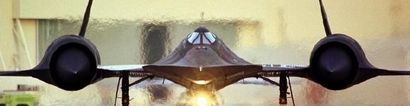
Good design is often strange. Some of the very best work has an uncanny quality: Euler's Formula, Bruegel's Hunters in the Snow, the SR-71, Lisp. They're not just beautiful, but strangely beautiful.
I'm not sure why. It may just be my own stupidity. A can-opener must seem miraculous to a dog. Maybe if I were smart enough it would seem the most natural thing in the world that e^i*pi = -1. It is after all necessarily true.
Most of the qualities I've mentioned are things that can be cultivated, but I don't think it works to cultivate strangeness. The best you can do is not squash it if it starts to appear. Einstein didn't try to make relativity strange. He tried to make it true, and the truth turned out to be strange.
At an art school where I once studied, the students wanted most of all to develop a personal style. But if you just try to make good things, you'll inevitably do it in a distinctive way, just as each person walks in a distinctive way. Michelangelo was not trying to paint like Michelangelo. He was just trying to paint well; he couldn't help painting like Michelangelo.
The only style worth having is the one you can't help. And this is especially true for strangeness. There is no shortcut to it. The Northwest Passage that the Mannerists, the Romantics, and two generations of American high school students have searched for does not seem to exist. The only way to get there is to go through good and come out the other side.
好设计常常奇特。一些最优秀的作品有一种神秘的特质:欧拉公式、勃鲁盖尔的《雪中猎人》、SR-71黑鸟侦察机、Lisp语言。它们不仅美,而且是一种奇特的美。
我不确定为什么。可能只是我自己的愚笨。开罐器对狗来说肯定像奇迹。如果我有足够的智慧,也许会觉得 e^i*pi = -1 是世界上最自然的事情。毕竟它必然为真。
我提到的大多数品质都是可以培养的,但我认为刻意培养奇特是行不通的。你最多只能在它出现时不把它压下去。爱因斯坦并没有试图让相对论变得奇特。他试图让它真实,而真相竟如此奇特。
在我曾学习过的一所艺术学校,学生们最渴望的是发展出个人风格。但如果你只是努力做出好东西,你必然会以一种独特的方式去做,就像每个人走路的方式各不相同。米开朗基罗并没有试图画得像米开朗基罗。他只是努力画好;他不由自主地画得像米开朗基罗。
唯一值得拥有的风格是你无法避免的风格。对于奇特来说尤其如此。没有捷径可走。手法主义者、浪漫主义者以及两代美国高中生寻找的西北航道似乎并不存在。到达那里的唯一途径是穿过“好”然后从另一头出来。
Good design happens in chunks. The inhabitants of fifteenth century Florence included Brunelleschi, Ghiberti, Donatello, Masaccio, Filippo Lippi, Fra Angelico, Verrocchio, Botticelli, Leonardo, and Michelangelo. Milan at the time was as big as Florence. How many fifteenth century Milanese artists can you name?
Something was happening in Florence in the fifteenth century. And it can't have been heredity, because it isn't happening now. You have to assume that whatever inborn ability Leonardo and Michelangelo had, there were people born in Milan with just as much. What happened to the Milanese Leonardo?
There are roughly a thousand times as many people alive in the US right now as lived in Florence during the fifteenth century. A thousand Leonardos and a thousand Michelangelos walk among us. If DNA ruled, we should be greeted daily by artistic marvels. We aren't, and the reason is that to make Leonardo you need more than his innate ability. You also need Florence in 1450.
Nothing is more powerful than a community of talented people working on related problems. Genes count for little by comparison: being a genetic Leonardo was not enough to compensate for having been born near Milan instead of Florence. Today we move around more, but great work still comes disproportionately from a few hotspots: the Bauhaus, the Manhattan Project, the New Yorker, Lockheed's Skunk Works, Xerox Parc.
At any given time there are a few hot topics and a few groups doing great work on them, and it's nearly impossible to do good work yourself if you're too far removed from one of these centers. You can push or pull these trends to some extent, but you can't break away from them. (Maybe you can, but the Milanese Leonardo couldn't.)
好设计成群出现。十五世纪佛罗伦萨的居民包括布鲁内莱斯基、吉贝尔蒂、多纳泰罗、马萨乔、菲利波·利皮、弗拉·安杰利科、韦罗基奥、波提切利、达芬奇和米开朗基罗。当时米兰和佛罗伦萨一样大。你能说出几位十五世纪米兰的艺术家?
十五世纪的佛罗伦萨发生了些什么。这不可能是遗传的原因,因为现在并没有发生。你必须假设,无论达芬奇和米开朗基罗拥有怎样的先天能力,米兰也出生了同样多拥有这些能力的人。那位米兰的达芬奇后来怎么样了?
目前美国活着的人大约是十五世纪佛罗伦萨人口的千倍。一千个达芬奇和一千个米开朗基罗行走在我们中间。如果基因决定一切,我们应该每天都被艺术奇迹所迎接。但我们没有,原因是:要造就达芬奇,你需要的不仅仅是他的先天能力。你还需要1450年的佛罗伦萨。
没有什么比一个由解决相关问题的天才组成的社区更强大。基因相比之下微不足道:拥有达芬奇的基因并不足以补偿出生在米兰而非佛罗伦萨。如今我们流动更多,但伟大的工作仍然不成比例地来自少数热点:包豪斯、曼哈顿计划、纽约客、洛克希德臭鼬工厂、施乐帕克。
在任何时候,都有一些热门话题和一些在这些话题上做出伟大工作的群体,如果你离这些中心太远,几乎不可能自己做出好的工作。你可以在一定程度上推动或拉动这些趋势,但你不能脱离它们。(也许你能,但那位米兰的达芬奇不能。)
Good design is often daring. At every period of history, people have believed things that were just ridiculous, and believed them so strongly that you risked ostracism or even violence by saying otherwise.
If our own time were any different, that would be remarkable. As far as I can tell it isn't.
This problem afflicts not just every era, but in some degree every field. Much Renaissance art was in its time considered shockingly secular: according to Vasari, Botticelli repented and gave up painting, and Fra Bartolommeo and Lorenzo di Credi actually burned some of their work. Einstein's theory of relativity offended many contemporary physicists, and was not fully accepted for decades-- in France, not until the 1950s.
Today's experimental error is tomorrow's new theory. If you want to discover great new things, then instead of turning a blind eye to the places where conventional wisdom and truth don't quite meet, you should pay particular attention to them.
As a practical matter, I think it's easier to see ugliness than to imagine beauty. Most of the people who've made beautiful things seem to have done it by fixing something that they thought ugly. Great work usually seems to happen because someone sees something and thinks, I could do better than that. Giotto saw traditional Byzantine madonnas painted according to a formula that had satisfied everyone for centuries, and to him they looked wooden and unnatural. Copernicus was so troubled by a hack that all his contemporaries could tolerate that he felt there must be a better solution.
Intolerance for ugliness is not in itself enough. You have to understand a field well before you develop a good nose for what needs fixing. You have to do your homework. But as you become expert in a field, you'll start to hear little voices saying, What a hack! There must be a better way. Don't ignore those voices. Cultivate them. The recipe for great work is: very exacting taste, plus the ability to gratify it.
好设计常常大胆。在历史上的每一个时期,人们都相信一些荒谬的事情,并且如此坚信,以至于提出异议会招致排斥甚至暴力。
如果我们这个时代有任何不同,那将很引人注目。据我所知,并没有不同。
这个问题不仅困扰着每个时代,而且在某种程度上困扰着每个领域。许多文艺复兴时期的艺术在当时被认为是极其世俗的:据瓦萨里记载,波提切利忏悔并放弃了绘画,巴托洛梅奥和伦佐·迪·克雷迪甚至烧掉了一些作品。爱因斯坦的相对论冒犯了许多当代物理学家,并且数十年未被完全接受——在法国,直到20世纪50年代。
今天的实验误差是明天的新理论。如果你想发现伟大的新事物,那么不要对传统智慧与真相不一致的地方视而不见,而应该特别关注它们。
作为实际的问题,我认为发现丑陋比想象美更容易。大多数创造美好事物的人似乎都是通过修正他们认为丑陋的东西来实现的。伟大的工作通常发生在有人看到某样东西并想“我能做得比这更好”的时候。乔托看到按照一个让几个世纪的人满意的公式绘制的传统拜占庭圣母像,在他眼中它们显得生硬而不自然。哥白尼被一个同时代所有人都能容忍的补丁所困扰,他感到一定还有更好的解法。
对丑陋的不能容忍本身并不足够。你必须深入了解一个领域,才能培养出对需要修正之处的敏锐嗅觉。你必须做好功课。但随着你成为该领域的专家,你会开始听到细微的声音说:“这是什么补丁!一定有更好的方法。”不要忽视那些声音。培养它们。伟大工作的配方是:极其严苛的品味,加上满足这种品味的能力。
Notes
Sullivan actually said "form ever follows function," but I think the usual misquotation is closer to what modernist architects meant.
Stephen G. Brush, "Why was Relativity Accepted?" Phys. Perspect. 1 (1999) 184-214.
注释
沙利文实际上说的是“形式永远服从功能”,但我认为常见的误引更接近现代主义建筑师的本意。
斯蒂芬·G·布拉什,《为什么相对论被接受?》Phys. Perspect. 1 (1999) 184-214。